

Finding Balance
ritual, pleasure, slowness, community, and relationship to alcohol

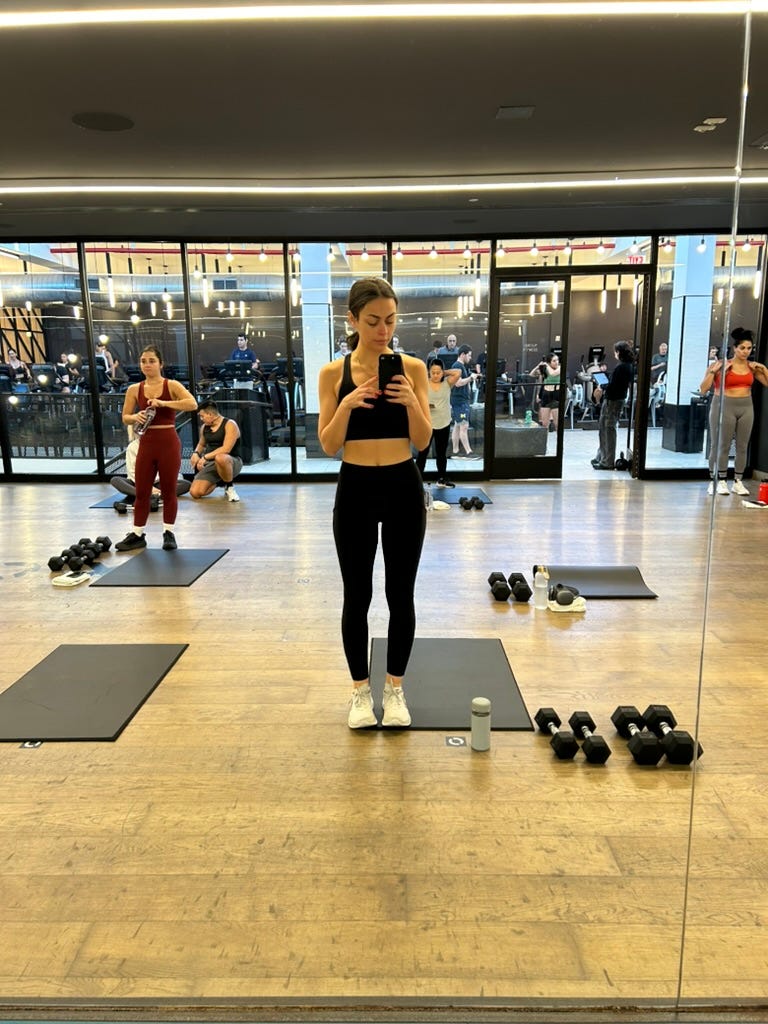
It’s 10 am on a Monday and I am running out of my Pilates class to get to blind tasting group. I arrive sporting my matching Lulu set and fresh new Hokas to sit down in front of 6 pre-poured glasses of wine, thoughtfully selected by my peers, to analytically taste through as a 25-minute exam prep drill.
This contrast makes me laugh, though I don’t think anyone else even notices.
At 9:30 am I’m on my mat, surrounded by the other Lulu-clad Equinox girlies, “engaging my core” and by 10:30 I’ve tasted 6 wines from 6 different countries, sorted through their similarities, their differences, and described them all to a T. I think I’m the only person on the planet who can say they did all this before 10:30am.
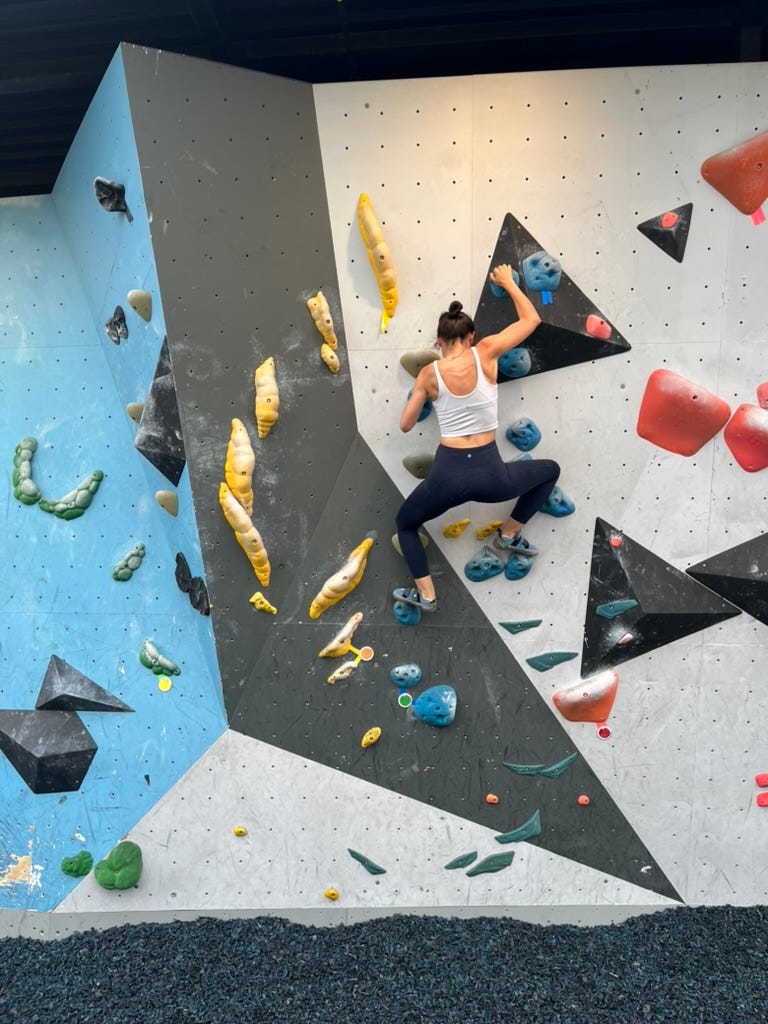
I find myself straddling both worlds here: creatine supplements and Champagne, 20,000 steps a day and Haagen Daaz out of the carton after service.
I am (and you are too, probably) currently being flooded with headlines about the end of the alcohol industry as we know it. Alcohol causes cancer, Ozempic curbs your desire to drink, sober-curious is so hot right now, the cultural pressure to optimize everything deprioritizes life’s pleasures! The list goes on. (Meanwhile, cigarettes are hot again. Make that make sense!)
To most, it appears that the wellness industry is fighting (and beating) the wine industry in an ugly, bloody massacre.
I’ve started to wonder whether wine and wellness are actually fighting at all, or whether we’ve flattened both into caricatures of themselves.
To me, wine culture prioritizes ritual, pleasure, slowness, and community.
To me, those things are wellness.
These are the kinds of buzzwords the wellness industry has co-opted into selling us tonics and supplements and serums and memberships, a multi-billion dollar industry!
The wine industry is the OG, rooted in centuries of tradition. Wine culture predates wellness culture by centuries and Gen Z health trends aren’t about to destroy this ancient and beautiful cultural practice.
Some things transcend modern culture: marriage, religion, dance, fermenting grape juice. These are old enough practices to be considered human truths. Trends come and go, people support or don’t support these institutions, but they’re not going anywhere. For better or for worse, humanity needs them.
Ritual, pleasure, slowness, and community define my personal wellness in many ways that my hours on the Pilates reformer could never do.
Ritual:
We are sold 12-step skin care routines as ritual. We are sold a 5am morning routine, featuring journaling, breathwork, meditation, and circadian rhythm regulation as ritual. I even take a daily vitamin from a brand called Ritual.
Rarely are we sold wine drinking as ritual, but it is! For me, it’s the ritual of pulling a bottle from the fridge before Friday night dinner, the wine upon which we will do our Shabbat blessing. It’s the ritual of tasting and spitting every bottle I open at work. It’s the ritual of pouring for friends before I pour for myself. It’s the ritual of polishing “the nice glasses” before and after use. It’s the ritual of opening the wine list and your sommelier magically appears tableside, ready to chat. It takes forethought and time and care and patience and that is where the magic is.
Pleasure:
The online discourse of how we can best optimize, I believe, is a net negative on society. Optimization can only be the goal up until a certain point. I believe pleasure must be at least part of the ultimate goal. Humans are capable of pleasure and deserving of pleasure. We don’t need protein in our coffee, we do not need to track our sleep scores, and we don’t need shoes that help us burn more calories. We need to feel good.
Time does not demand to be spent productively. What even is productivity anyway?
We need to feel good, we need to see beauty, we need to smell everything, and we need to taste deliciousness. That’s a level of optimization we’re not talking about.
I love how Scott Galloway put it recently on Notes, “The more data we collect on ourselves, supposedly the better able we are to improve our lives. But metrics aren’t the arbiters of living well, nor is optimization life’s highest achievement. I believe this trend isn’t about optimizing life, but a growing obsession consuming life’s purpose and meaning.”
If life’s purpose and meaning is being reduced to productivity, then, yes, absolutely the robots will take over. They are better than we are at it anyway. But, humans are capable of so much more than productivity: feeling and communicating and emoting and loving and feeling some more!
Slowness:
The art of blind tasting emphasizes the power of slowing down and tapping into your senses. When was the last time you thought about the way something made your mouth feel? How much your mouth watered? How long the flavors lingered after you swallowed? It’s about presence and that is so beautiful.
You can shovel a chia pudding in your mouth, chase it with a green juice while you run to the train, and call yourself healthy. Or you can sit with a glass of wine, meditate on it, consider its origins, contemplate its character, and call yourself healthy.
These aren’t mutually exclusive. I, of course, shovel my chia pudding on my way from Pilates to tasting group. I see the irony, and I love it.
Community:
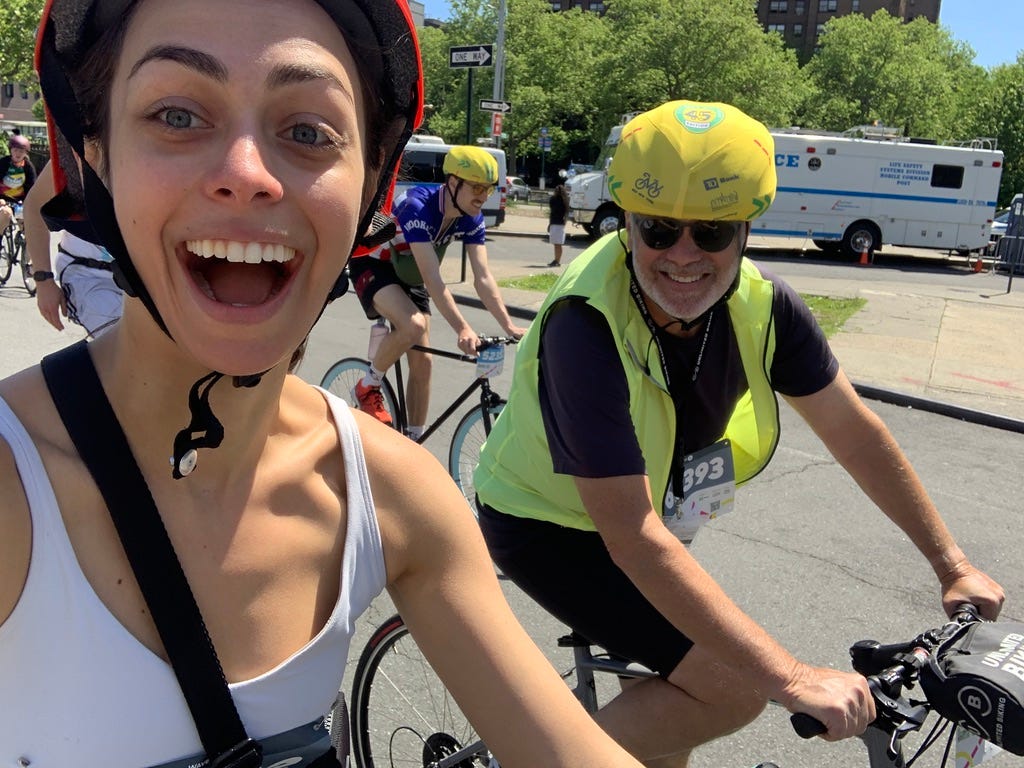
Only twice have I made a friend at Equinox. One was a man I thought was asking me on a date (he wasn’t) and the other was a woman who is now my hairdresser (Hi Laurie!) I’m at the gym 5 days a week, every week, for the last 5 years, and I’ve only made 2 friends. I know other fitness places are different, like my family’s squash club where my mother is the mayor, but this is my experience.
At tasting group, on the other hand, a real community is formed. Everyone is rooting for each other, fully embodying how a rising tide lifts all boats. It requires active participation from all people, from all skill levels, and that is what builds active and additive community.
The community that’s built at tasting group is healthy by every definition. It’s your peers holding you accountable for your goals. It’s a group study environment where we all cheer each other on. We practice patience with and gratitude for one another. The format only works in a group setting. You cannot do it alone. It makes us each better as individuals and so much better as a community.
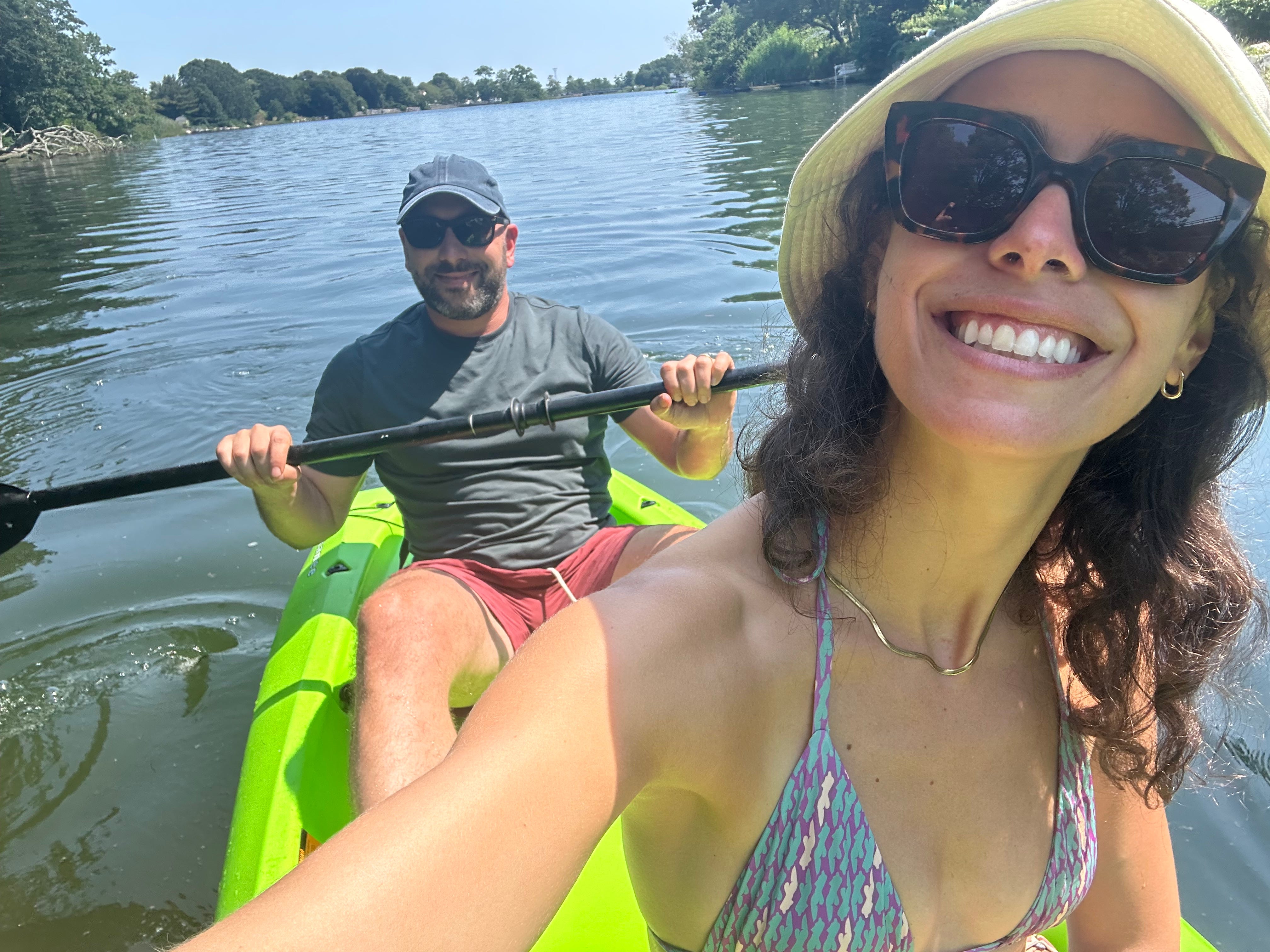
Conscious consumption is a key part of my ideal life of balance. For me, wine is an integral part of that. It inspires it, it invites it, and it allows me to feel like a conscious consumer of all things.
I have felt, in some moments, that my career and my health goals are at odds with each other. Even I am susceptible to such marketing from wellness culture!
Will my abs ever look as defined as I want if I taste wine every night? Would my relationship with my friends be compromised if I didn’t want to drink with them on weekends? Do I feel shame that I’m not at the 6 am hot yoga class because I worked until midnight the night before? Am I choosing to surround myself with people with “unhealthy” habits by spending time in the wine industry?
My answers here are yes and no to all of the above. Life and work and health are complicated when they overlap like this.
I think we’re beyond the medical arguments for wine.
I cannot argue that red wine is good for you heart health. I think we’re beyond this. The trace amounts of antioxidants present in wine are meaningless in comparison to a simple multi-vitamin.
I can, however, easily argue that wine promotes spontaneity, socializing, risk-taking, and experimentation: values I (we!) want to promote in all people, and especially young people!
At a moment when so much of young adulthood happens online, I wonder if there’s something valuable about the delightfully messy spontaneity wine culture still encourages: lingering dinners, flirting at bars, conversations that stretch longer than intended, and nights that don’t feel optimized.
Reflecting on my last decade of wine drinking, so many of the lessons learned, the relationships formed, the mistakes made, and the solutions found, were because of wine. I wouldn’t trade it for anything.
Maybe wine is here to give young people the opportunity to make mistakes. It’s a right of passage and it’s a key learning moment of growing up for so many, or at least me. Maybe that’s actually a really healthy thing.
Maybe balance is different for everyone.
Maybe wellness without joy is useless.
Maybe the goal isn’t optimization, but consciousness.
I’m not seeking any answers.
I am certainly not anti-sobriety.
I am asking each of us to question what balance looks like for us.
I am asking each of us to question our relationship to alcohol, our relationship to our bodies, and our relationship to community.
Put those relationships next to each other, not in a battle, but on a team, and let us each figure out where they can stand together to work with us and for us.
Love this too!
Love this